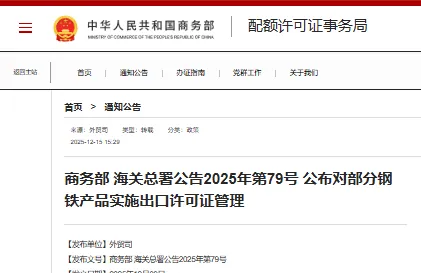
China’s Ministry of Commerce and the General Administration of Customs have jointly issued Announcement No. 79 of 2025, introducing export licensing controls on a wide range of steel products effective January 1, 2026.
Link to the announcement: https://xkzj.mofcom.gov.cn/tzgg/art/2025/art_0f1425b5b23941eea7c9f3d55c16cd94.html
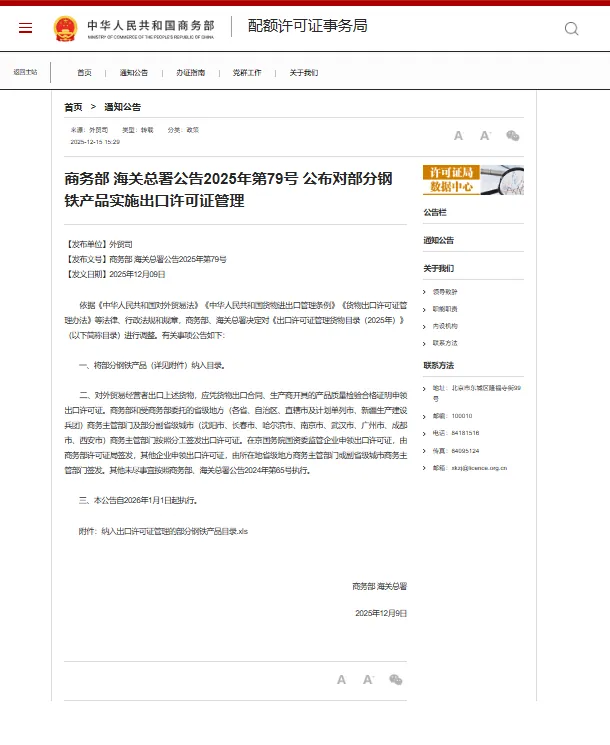
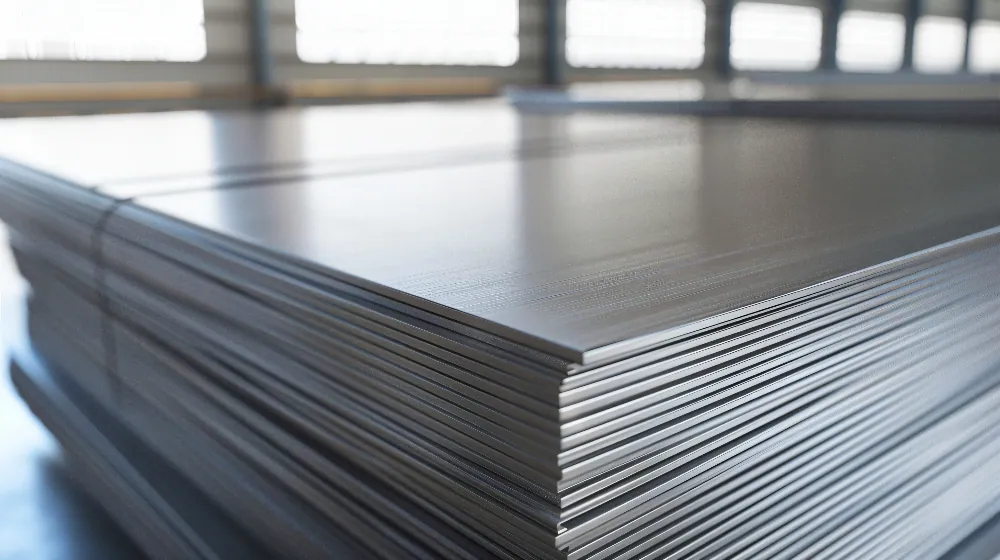
This policy marks a significant regulatory shift aimed at standardizing export practices and promoting industrial upgrading. The policy mandates that exporters obtain an export license before shipping listed steel products. The controlled items span the entire production chain, from raw materials like pig iron and scrap to semi-finished and finished products such as slabs, coils, and sheets.
To ensure compliance and secure your supply chain, we recommend implementing the following measures in your procurement strategy:
1. Conduct Enhanced Supplier Due Diligence
Verify your supplier’s credit, historical export compliance record and their familiarity with the new licensing procedures.
Why you need and how to validate a supplier in China:
https://www.chinainternationallawyer.com/post/how-to-verify-a-chinese-company-s-creditworthiness
https://www.chinainternationallawyer.com/post/how-a-china-lawyer-verifies-a-company-before-you-pay
2. Draft Robust Contractual Provisions
Build the new regulatory burden into every purchase contract. Assign clearly and exclusively who must prepare, submit, and pay for the license application. Insert a hard deadline for license issuance and set out liquidated damages or termination rights if the supplier delays or fails to provide it, including regulatory refusal. After signing, continue strict performance monitoring, such as require the seller to provide the license number immediately after issuance, and reserve the right to inspect cargo against the licensed specifications before shipment.
3. Adapt Your Transaction Structure
Given the "single-use" nature of most licenses, you shall carefully select your supplier and tightly control both payment milestones and the overall transaction timeline. In large-scale, long-term projects, you shall rigorously monitor every milestone connected to obtaining the license and adjust the detailed project plan to match the requirements.
If you have a steel-purchase contract that is still being performed, we recommend that you monitor policy changes closely and be ready to amend the existing contract to reflect those changes. If you have future procurement plans, reach out to us as your Chinese counsel: we can help you reduce risk at the front end for a relatively modest cost, instead of spending far more later to recover losses once problems or disputes arise.
Need legal help in China?
Tell us your situation — free and private consultation, reply within 12 hours.