Abstract
Foreign buyers sourcing on Alibaba face evolving risks. As a China-based international trade lawyer, I see these disputes daily. This guide details the top 5 Alibaba scams for 2025 and provides actionable legal strategies for protection. Three critical protective steps are: 1) Always verify your supplier’s business license via official Chinese channels; 2) Use secure, traceable payment methods tied to specific contracts; 3) Never waive your right to independent, pre-shipment inspections. Vigilance and contractual safeguards are your primary defense.

Introduction: The Evolving Landscape of B2B Platform Risks
Alibaba remains a powerhouse for global sourcing, but its scale attracts sophisticated fraud. Scams in 2025 are more advanced, exploiting trust gaps and procedural shortcuts. Understanding these schemes from a legal perspective is the first step toward securing your transactions and ensuring effective debt recovery when problems arise.
Scam 1: The Sophisticated Bait-and-Switch & Quality Fraud
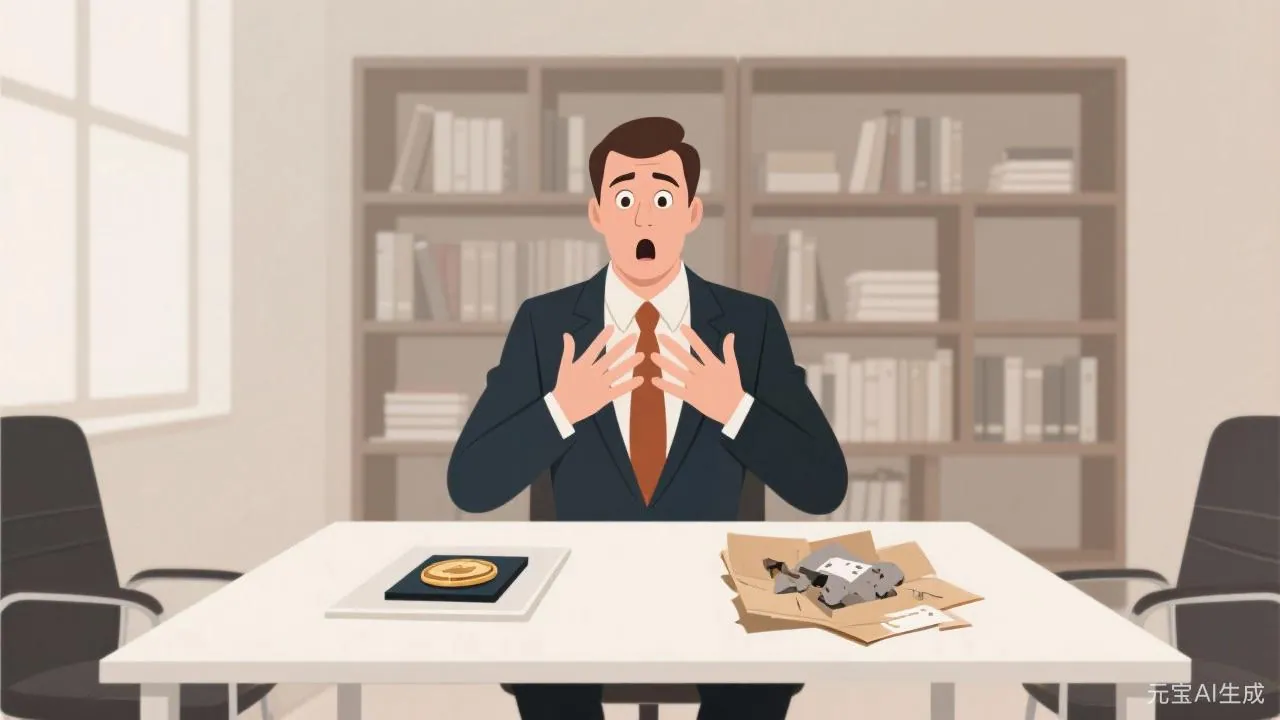
This classic scam has evolved. Suppliers showcase certified samples or use stolen factory videos. Upon shipment, you receive grossly substandard or entirely different goods. By then, payment (often via insecure methods) is complete. The legal safeguard is an ironclad contract with detailed, legally-binding product specifications, quality standards, and clear penalties for non-compliance, enforced by a third-party inspection clause.
Scam 2: The "Trust Me" Direct Payment & Communication Diversion
Fraudsters urge you to leave the Alibaba platform for "better prices" via WhatsApp or WeChat. They then request direct wire transfers to personal or unrelated company accounts, bypassing Alibaba Trade Assurance. Once payment is sent, they vanish. Legally, you have no platform protection and limited recourse, as the payment trail may not lead to a verifiable legal entity.
Scam 3: The Fake Company & License Forgery Scam
Scammers create convincing Alibaba storefronts using forged or stolen business licenses. They may even pass a basic Alibaba verification. After receiving payment for a large order, the "company" disappears. Verifying the supplier's official registration with China's State Administration for Market Regulation (SAMR) through a legal representative is the only reliable confirmation method.
Scam 4: The Advanced Freight & Logistics Overcharge Scheme
Here, a seemingly legitimate supplier quotes a low product cost but imposes exorbitant, last-minute shipping fees through a "partner" logistics company they control. Refusing to pay risks losing your deposit; paying leads to massive overcharges. Your contract must fix all logistics costs and specify the incoterms (e.g., FOB) to prevent this.
Scam 5: The Phishing Attack Under the Guise of "Platform Compliance"
A new trend involves fake "Alibaba" or "Chinese customs/bank" officials contacting buyers, claiming payment or compliance issues. They direct you to fraudulent links or direct transfers to "resolve" the problem. Remember, official platforms and authorities will never ask for sensitive login or payment details via unsolicited messages.
Legal Prevention: Your Proactive Defense Strategy
Avoiding scams is better than recovery. Implement these legal and procedural shields: 1) Due Diligence: Conduct a official Chinese business background check. 2) Secure Contract: Use a detailed, China-law governed sales contract. 3) Staged Payments: Link payments to milestones (e.g., 30% deposit, 70% after passed inspection). 4) Inspection Rights: Retain the right to inspect before shipment. 5) Use Trade Assurance: Keep transactions on-platform for dispute eligibility.
What to Do If You've Been Scammed: Steps for Recovery
If you suspect fraud, act immediately. 1) Secure all chat logs, contracts, and payment proofs. 2) Officially dispute on Alibaba, providing full evidence. 3) If the platform dispute fails, immediately engage a China trade lawyer. We can issue a legal demand, investigate the company's true assets, and initiate litigation or asset preservation to freeze accounts, maximizing your chance of recovery.
Conclusion: Empowering Your Sourcing with Legal Awareness
Navigating Alibaba in 2025 requires updated knowledge and legal prudence. By recognizing these top 5 scams—from quality fraud to sophisticated phishing—and implementing strict verification, contractual, and payment controls, foreign buyers can significantly mitigate risk. Remember, your most valuable tool is a proactive approach, backed by the readiness to engage local legal expertise when red flags appear.

FAQ Section
Q1: Does Alibaba Trade Assurance guarantee I won't be scammed?
A: No. Trade Assurance is a valuable dispute resolution tool, but it's not a blanket guarantee. It has limitations and claim caps. Your strongest guarantee is your own due diligence and a well-drafted legal contract that survives beyond platform mechanisms.
Q2: How can I verify a Chinese supplier's license is real?
A: Your lawyer can perform an official SAMR check using the Unified Social Credit Code. This confirms the company's legal status, registered capital, address, and whether it is in good standing—crucial for any legal action.
Q3: Is it safe to pay a 100% upfront payment?
A: It is extremely high-risk. Never do this. A standard, safer structure is 30% deposit (after contract signing) and 70% balance against a copy of the Bill of Lading or after passed inspection. This aligns incentives and gives you leverage.
Q4: What's the first legal step if I've paid but received nothing?
A: Immediately have your Chinese lawyer draft and send a formal demand letter to the supplier's legal registered address, citing potential fraud claims. This often triggers a response and can lead to settlement. Simultaneously, prepare for potential asset preservation to freeze their bank accounts.
Q5: Can I sue a fraudulent supplier in my home country?
A: While possible in some cases, a judgment from your home country is notoriously difficult and expensive to enforce in China. The most effective legal action (litigation or arbitration) is almost always conducted within China under Chinese law, emphasizing the need for local legal counsel.
Looking for a lawyer in China?
Chat 1-on-1 with certified English-speaking Chinese lawyers. Free and confidential.