Abstract
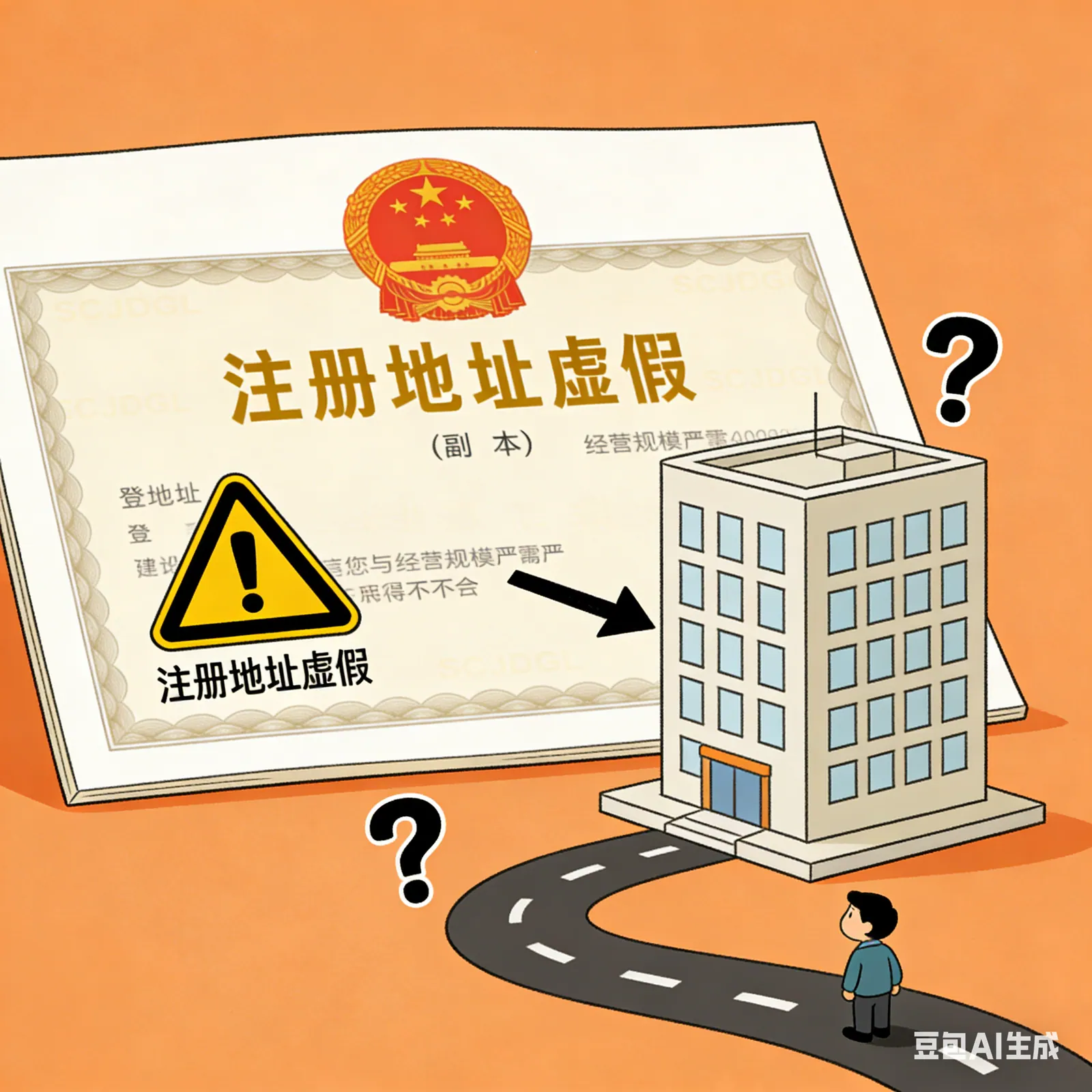
Foreign buyers often face confusing or one-sided terms in contracts from Chinese suppliers. As a China international trade lawyer, I review and renegotiate these daily. This guide reveals the top 4 legal "tricks" embedded in contracts and your strategic response. Three essential counter-measures are: 1) Never accept standard "Proforma Invoice" terms as your final contract; 2) Insist on clear, specific clauses for quality standards, inspection rights, and breach penalties; 3) Ensure the dispute resolution clause names a specific, accessible forum. A well-negotiated contract is your primary risk management tool.
Introduction: The Contract as a Battlefield of Terms
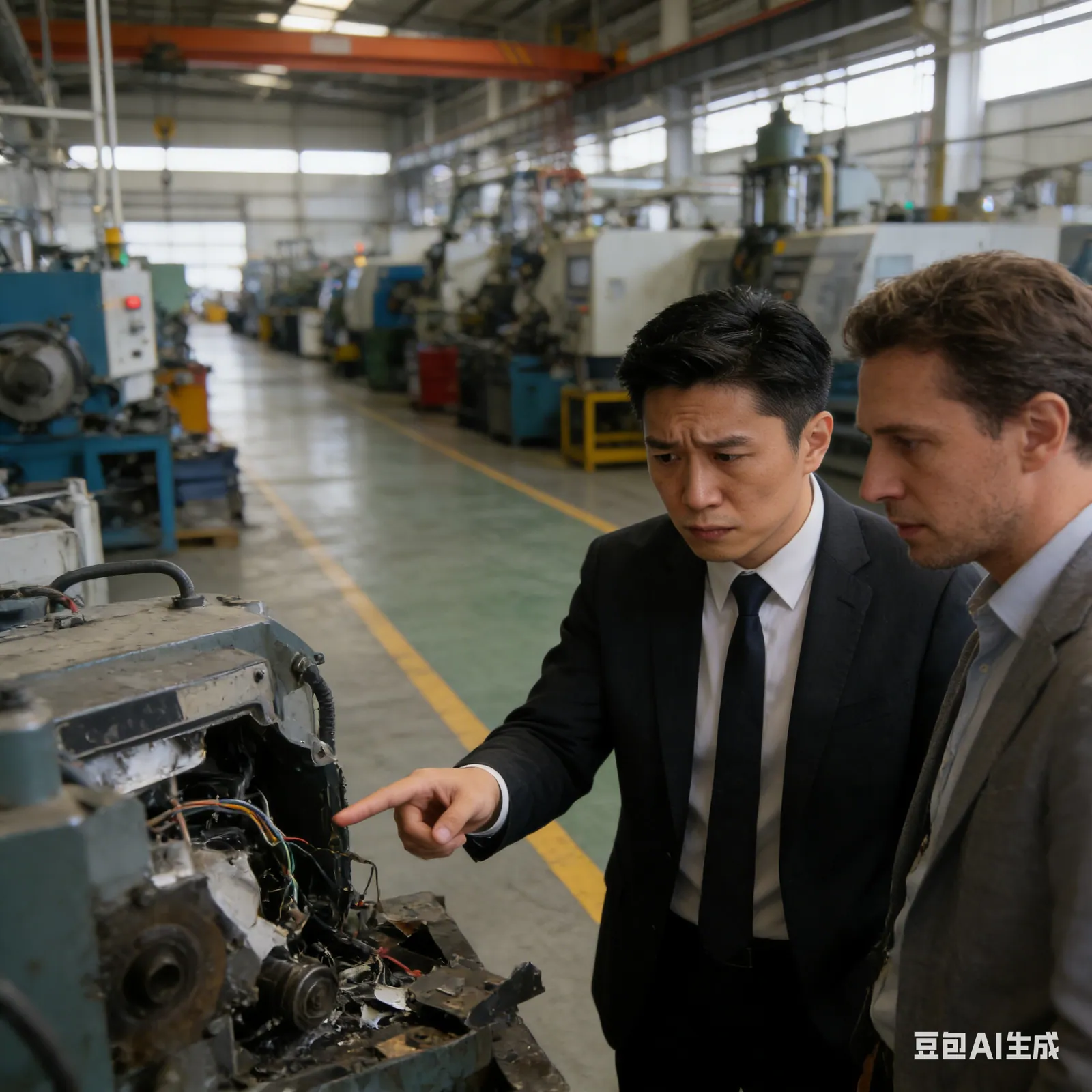
Many disputes originate from contractual ambiguities that heavily favor the supplier. Chinese suppliers often use standardized, simple sales contracts that lack essential protections for the buyer. Understanding these common pitfalls is the first step toward securing a balanced, enforceable agreement that protects your interests under Chinese law.
Trick 1: Vague Product Specifications & Shifting Standards
The contract lists only a basic product name and model, lacking detailed technical specifications, material grades, tolerances, or approved samples. This allows the supplier to deliver substandard goods that technically meet the bare minimum description. Your counter: Annex detailed specifications, reference international or industry standards (e.g., ISO, ASTM), and include a clause stating that approved samples (physically sealed and signed by both parties) form an integral part of the contract. This creates a clear legal benchmark for quality.
Trick 2: The Unbalanced Dispute Resolution Clause
A classic trick is a clause stating "Disputes shall be settled in the supplier's local court." For a foreign buyer, litigating in a remote Chinese county court is prohibitively expensive and difficult. Alternatively, the clause may vaguely reference "Chinese arbitration" without specifying the commission (like CIETAC or BAC), leading to jurisdiction battles. This is a major barrier to debt recovery from the Chinese supplier.
Trick 3: Hidden Penalties for the Buyer & Absent Remedies for Seller Breach
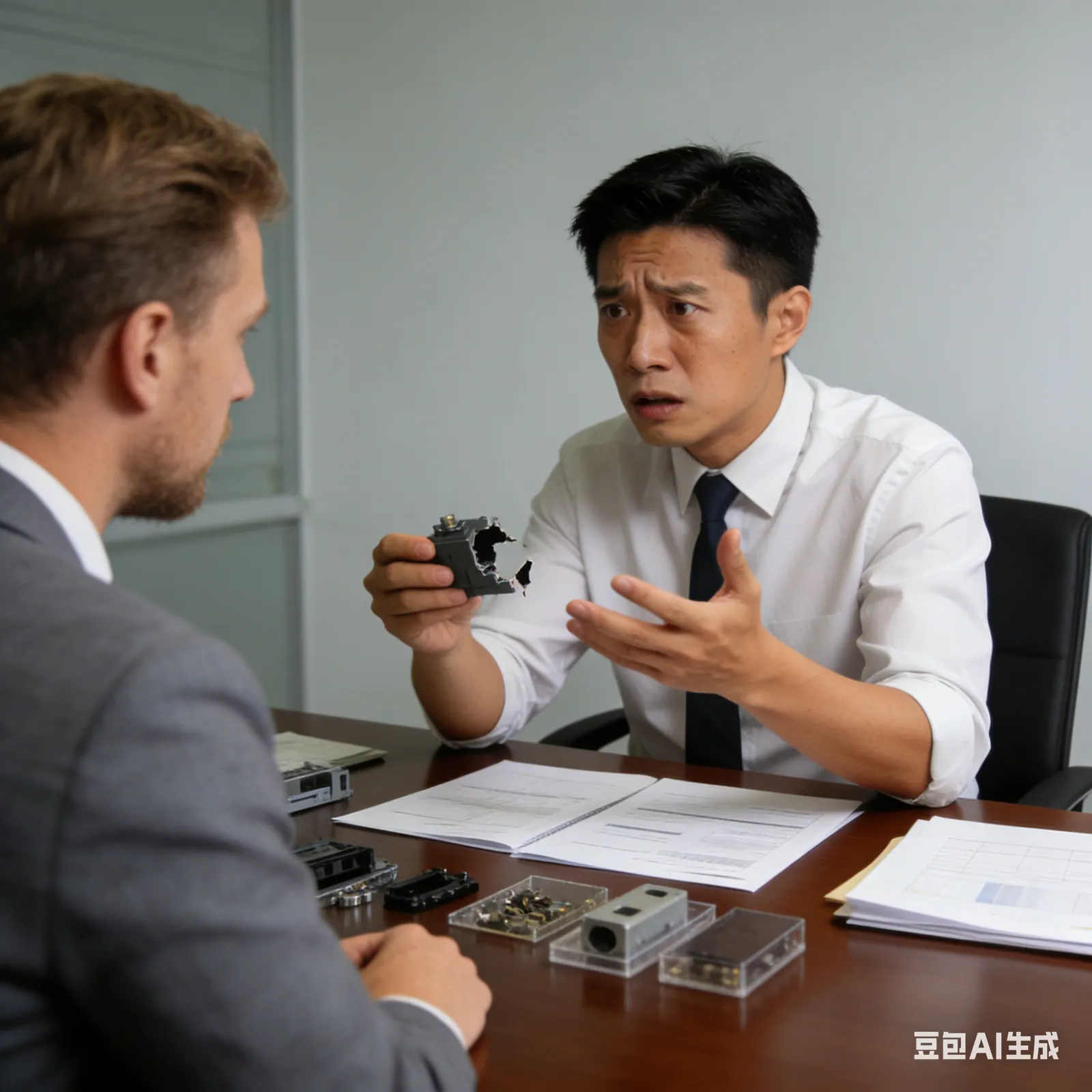
Contracts frequently detail severe penalties for the buyer's late payment or order cancellation but are silent on remedies for the seller's late delivery, quality failures, or contract breach. There may be no mention of liquidated damages, return rights, or the right to source替代 goods at the seller's cost. This creates a one-sided risk arrangement. A fair contract must define clear consequences for seller non-performance.
Trick 4: Ambiguous Force Majeure & Inspection Waiver Clauses
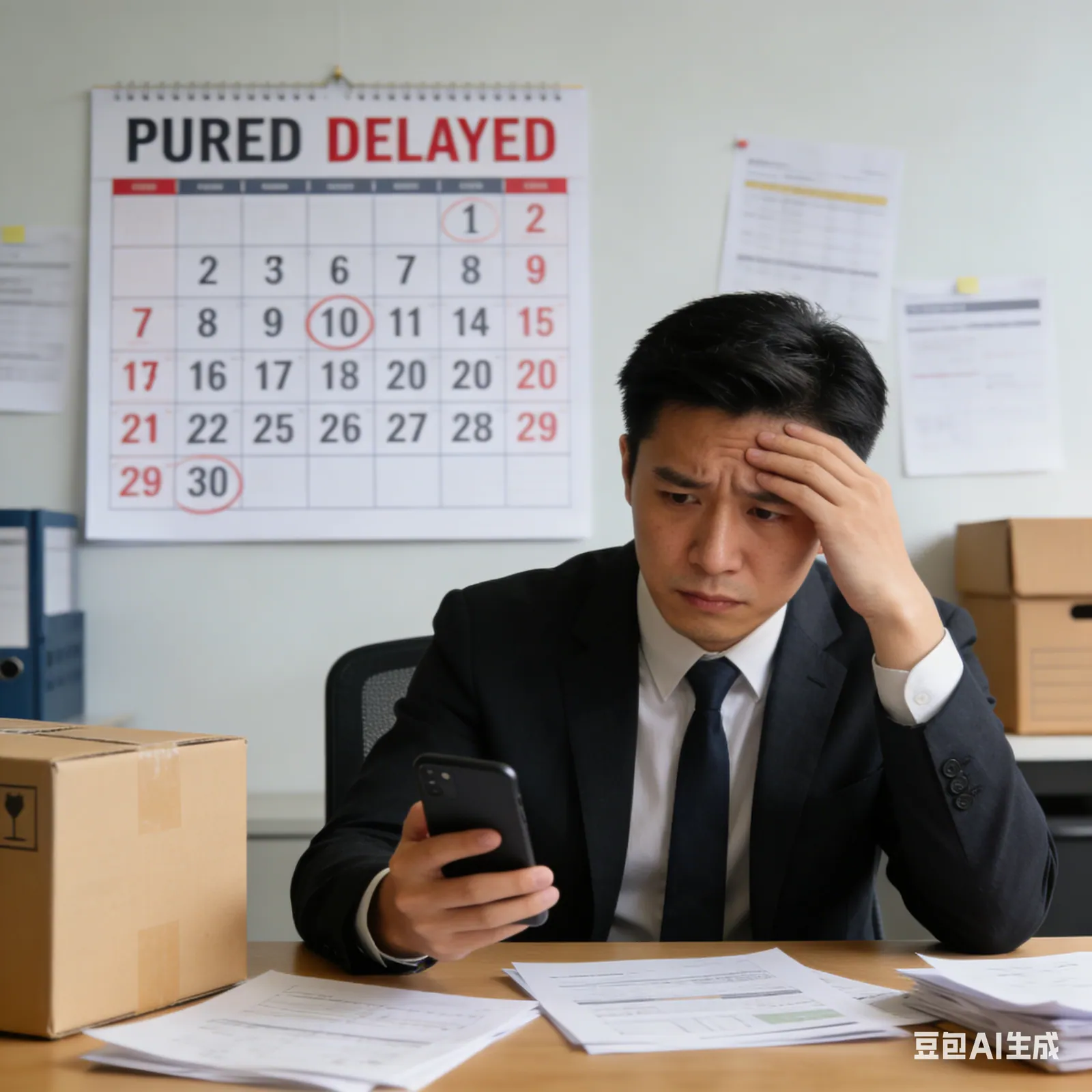
The Force Majeure clause may be overly broad, allowing the supplier to cite vague "market conditions" or "government policies" to delay or cancel orders without liability. Worse, a clause may state "Buyer deemed to accept goods if no complaint is lodged within 7 days of shipment"—an impossible timeline for international shipping. This can be used to forfeit your right to claim for hidden defects discovered upon arrival.
Your Legal Counter-Strategy: Negotiating a Balanced Contract
Do not accept the first draft. Your negotiation should focus on:
Precision: Replace all vagueness with measurable, specific terms.
Reciprocity: Ensure obligations and penalties apply equally to both parties.
Control: Retain rights to key points like pre-shipment inspection by a third party and payment linked to milestone completion.
Forum: Negotiate for arbitration in a neutral, reputable forum like CIETAC or agree on a specific court in a major Chinese city (e.g., Shanghai, Shenzhen).
Why a China Lawyer's Review is a Critical Investment
Having a local trade lawyer review the Chinese-language version of the contract (which is often the governing version) is crucial. We identify cultural nuances, non-compliant terms, and hidden risks you may miss. An upfront legal review is the most cost-effective step to prevent costly disputes and ensure a viable path for payment recovery later. We can draft precise counter-clauses that protect you under the Chinese Contract Law.
Conclusion: Transforming Risk into Contractual Security
By recognizing these common contractual tricks—from vague specs to biased dispute clauses—you shift from a position of vulnerability to one of informed negotiation. A fair, detailed, and balanced contract is not an obstacle to business; it is the foundation of a secure and successful partnership. It defines the clear rules for resolving payment disputes with your China supplier and protects your capital.
FAQ Section
Q1: The supplier says their contract is "standard" and non-negotiable. What should I do?
A: This is a common pressure tactic. Politely but firmly state that international trade requires mutually agreeable terms to ensure a smooth partnership. Your willingness to walk away from a bad contract is a powerful negotiating tool. Consider it a red flag if a reputable partner is completely inflexible on basic protective clauses.
Q2: Is a Proforma Invoice (PI) a legally binding contract?
A: Under Chinese law, a PI can be binding if it contains all essential terms (parties, goods, price, quantity). However, it almost always lacks critical legal protections. Never use a PI as your primary contract. Insist on a formal sales contract that covers liability, dispute resolution, and breach remedies.
Q3: What is the single most important clause to change?
A: The dispute resolution clause. Ensuring you have access to a fair, efficient, and enforceable forum (like CIETAC arbitration) is paramount. Without it, your ability to pursue legal debt collection in China is severely compromised, even if you have a strong case on other terms.
Q4: Can we use a contract governed by our home country's law?
A: You can try, but Chinese suppliers will almost always refuse. The most practical and enforceable contract for transactions in China is one governed by Chinese law. The key is to ensure that within that framework, the specific terms are fair and protective. A Chinese lawyer can achieve this effectively.
Q5: What if a dispute arises under a "tricky" contract we already signed?
A: All is not lost. Contact a lawyer immediately. We analyze the enforceable terms, the factual evidence of performance, and applicable mandatory provisions of Chinese law that may override unfair clauses. We then build the strongest possible case for negotiation or litigation to recover losses from the Chinese company.
Looking for a lawyer in China?
Chat 1-on-1 with certified English-speaking Chinese lawyers. Free and confidential.