Navigating the world of online shopping can be tricky, especially when sourcing products from platforms like AliExpress. As a Chinese international trade lawyer, I understand the concerns that foreign buyers face when making purchases from China. This blog post is designed to equip you with practical tips for smart shopping on AliExpress, highlighting how you can spot and avoid scams, while also providing insight into legal services available for those who may find themselves dealing with disputes or recovering payments.
Understanding the Risks of International Purchasing
When it comes to buying from AliExpress, it's essential to acknowledge the potential risks involved. The platform, while popular for its vast array of products at attractive prices, is not free of counterfeit goods, shady sellers, and even full-fledged scams. Reports indicate that a significant percentage of buyers encounter issues, ranging from poor-quality items to non-delivery of products.
Research the Seller: Investigate the seller’s ratings and reviews. Look for sellers with at least a 95% positive feedback rating and a history of multiple sales. Beware of new sellers with few reviews, as they may not have established a reliable reputation.
Examine Product Listings: Legitimate product listings should provide transparent information, including high-quality images, detailed descriptions, and clear specifications. If a listing lacks detail or feels vague, it could be a red flag.
Check for Secure Payment Options: Always use AliExpress’s secure payment methods. Avoid direct bank transfers or payment methods that do not offer buyer protection.
Identifying Common Scams on AliExpress
There are several types of scams that can occur on AliExpress. As a buyer, it is crucial to recognize these scams to protect yourself and your investments.
Fake Products
One common scam involves sellers advertising counterfeit or low-quality replicas of well-known brands. These products may look appealing in photos but often fail to meet expectations upon arrival.
Tip: Always check seller feedback and seek out reviews for the specific product you’re interested in.
Non-Delivery of Items
Another prevalent scam is the non-delivery of orders. Buyers may pay for a product, only to receive nothing or a completely different item.
Tip: Use AliExpress’s order tracking feature to monitor your shipment. If a product is marked as “shipped” but does not arrive within the estimated delivery time, contact the seller to follow up on the status of your order.
Misleading Product Images
Sellers may post high-quality images that misrepresent the actual item. A buyer might receive a product that looks cheap and different from what was advertised.
Tip: Compare product images with reviews from previous buyers, as they often post user-generated photos that show the reality of the item.
Legal Recourse for Disputes and Payment Recovery
In the unfortunate event that you do encounter a dispute with a Chinese supplier or you’ve lost money due to a scam, you have legal options to pursue.
Initiating a Dispute
If you receive a faulty item or nothing at all, you can open a dispute through AliExpress. Here’s how to do it effectively:
Gather Evidence: Collect all correspondence with the seller, photos of the product received, and any order details. This documentation is vital to support your claim.
Timely Action: Make sure to initiate a dispute within the time frame specified by AliExpress, which is typically within 15 days of receiving your order.
Seeking Legal Assistance
If your efforts through AliExpress do not yield satisfactory results, it's time to seek legal assistance. Many buyers face difficulties in recovering payments from Chinese suppliers, which is where our law firm comes in.
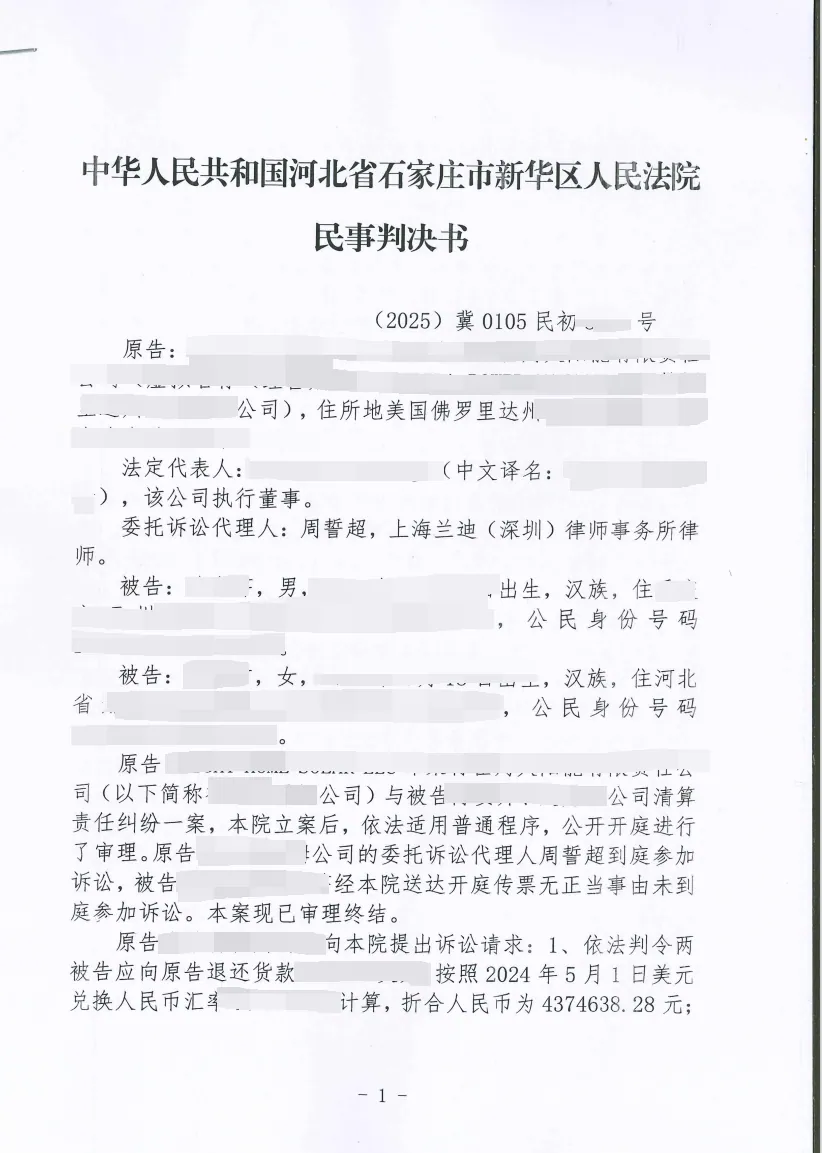
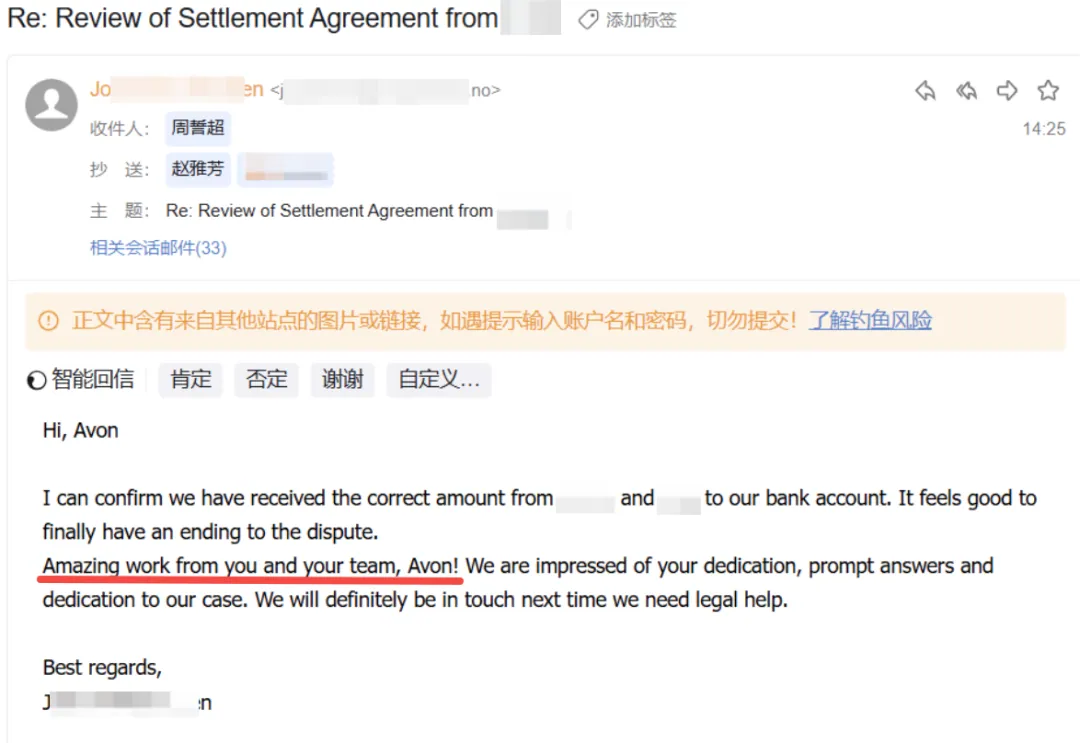
Successful Case Study: Recently, we assisted a client who faced significant financial loss due to a scam. Our team was able to recover over 80% of their lost payment by negotiating with the supplier and using effective legal channels.
Best Practices for Future Purchases on AliExpress
Going forward, implement these best practices to enhance your smart shopping experience on AliExpress:
Set a Budget: Define a clear budget before shopping. This helps you avoid impulsive purchases that can lead to regrettable decisions.
Ask Questions: Don’t hesitate to communicate with sellers before making a purchase. Legitimate sellers will be willing to clarify details regarding their products and shipping.
Read Return Policies: Familiarize yourself with the seller’s return and refund policies to understand what recourse you might have if you’re unsatisfied with your purchase.

Protect Yourself with Smart Shopping Techniques
Keeping your interests protected while shopping involves a combination of research, vigilance, and proactive measure-taking. Here are some targeted strategies to enhance your safety:
Use a Secure Internet Connection: Ensure that your internet connection is secure when making purchases. Avoid public Wi-Fi networks which can expose you to security risks.
Subscribe to Alerts: Consider subscribing to alerts about scams and feedback from other buyers. Many community forums share their experiences, which can be beneficial in avoiding pitfalls.
Limit High-Value Purchases: If possible, avoid purchasing high-value items until you’ve gained confidence in the platform and established a trustworthy relationship with a seller.
Final Thoughts on Smart Shopping and Legal Support
Shopping on AliExpress can be a rewarding experience if you know how to navigate its complexities and potential pitfalls. By employing smart shopping strategies, being aware of scams, and taking advantage of available legal support, you can minimize risks while maximizing your chances of satisfaction.
If you find yourself needing assistance in a trade dispute or if you have lost money to a scam, do not hesitate to reach out for legal support. Our specialized team is here to help you recover your funds and protect your future transactions. Contact us today for expert guidance on international trade disputes.

Dealing with a supplier dispute in China?
Our lawyers recover payments and enforce contracts for foreign buyers — free case assessment within 12 hours.